
Origin : Finland
Genre : Symphonic Metal
Release : 2004 (Special Edition – 2CD)
Album Info / Review
Intro:
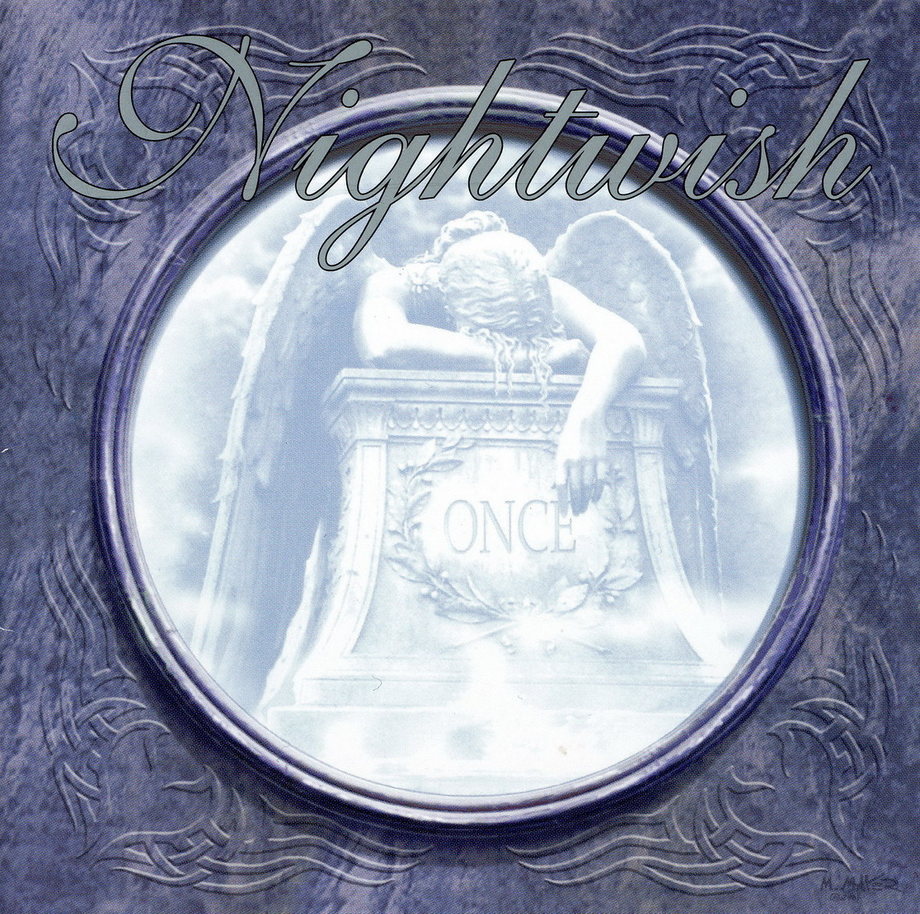
Nightwish, the Finnish titans of symphonic metal, unleashed “Once” upon an unsuspecting world in 2004, a watershed moment that solidified their status as a genre-defining force. Moving beyond the nascent symphonic leanings of their earlier works, “Once” represents a colossal leap forward in production, ambition, and sheer sonic grandeur. This is not merely an album; it’s an operatic odyssey, a meticulously crafted tapestry woven from soaring operatic vocals, thundering orchestral arrangements, and the raw, unyielding power of heavy metal. From the first guttural growl to the final, echoing fade, “Once” demands attention, immersing the listener in a world of myth, magic, and melancholic beauty.
Track Analysis:
“Dark Chest of Wonders” erupts from the speakers with an immediate, visceral impact. The iconic, almost tribal drum intro by Jukka Nevalainen is a primal call to arms, swiftly joined by the earth-shattering riffage of Emppu Vuorinen. Tarja Turunen’s operatic soprano enters not as a delicate embellishment, but as a powerful, commanding force, perfectly complementing the guttural roars of guest vocalist Marco Hietala. The orchestral swells, arranged by Tuomas Holopainen, are not mere background textures but active participants, driving the narrative and amplifying the emotional weight of the lyrics.
“Wish I Had an Angel” showcases Nightwish’s knack for crafting anthemic, radio-friendly yet undeniably heavy tracks. The driving, almost gallop-like rhythm section is relentless, while Holopainen’s keyboard melodies are both catchy and haunting. The interplay between Turunen’s soaring vocals and Hietala’s rougher timbre is a masterclass in vocal dynamics, creating a captivating push and pull that defines much of the album’s vocal approach.
“Ghost Love Score” is the undeniable centerpiece, a thirteen-minute epic that redefines the symphonic metal ballad. It unfolds in distinct movements, each meticulously constructed to evoke a specific emotional landscape. The initial melancholic piano and orchestral passages build to a crescendo of furious guitar solos and powerful vocal duets. The sheer scope of this track is breathtaking, incorporating folk elements, choral arrangements, and moments of pure, unadulterated metal aggression. It’s a journey through love, loss, and the eternal struggle between light and darkness.
“Creek Mary’s Song” offers a stark contrast, a stripped-down, acoustic-driven lament that highlights Turunen’s vocal vulnerability. The Native American flute-inspired melodies and the sparse instrumentation create an atmosphere of profound sadness and respect for the natural world. It’s a moment of quiet contemplation amidst the album’s more bombastic offerings.
“The Siren” is a siren call in its own right, a darkly seductive track propelled by a relentless, almost gothic rhythm and Turunen’s commanding vocal performance. The orchestral arrangements here are particularly menacing, creating a sense of impending doom. Hietala’s contribution, though brief, adds a crucial layer of grit and power.
“Dead Boy’s Poem” revisits a more introspective theme, with Holopainen’s piano leading the charge. The lyrical content, a posthumous letter, is delivered with palpable emotion by Turunen, underscored by a delicate yet effective orchestral backing.
“Nemo” is the album’s most commercially successful track, and for good reason. It’s a perfectly balanced fusion of accessibility and symphonic complexity. The instantly recognizable intro riff, the soaring chorus, and the powerful vocal performances make it an unforgettable anthem. The sheer power of the full band and orchestra working in unison is on full display.
“Planet Hell” is a relentless onslaught of heavy riffs and aggressive vocals. The pacing is furious, and the orchestral elements are used to create a sense of chaotic grandeur. It’s a testament to the band’s ability to inject raw aggression into their symphonic framework.
“Sing for Me” is a beautiful, almost ethereal ballad. Turunen’s vocals are at their most delicate and emotive, supported by a lush orchestral arrangement and Holopainen’s poignant piano. The track builds to a powerful, cathartic climax.
“I Wish I Had an Angel (Reprise)” offers a brief, atmospheric outro, a fading echo of the album’s central themes, leaving a lasting impression of the epic journey just undertaken.
Conclusion:
“Once” is not just a successful album; it’s a monumental achievement in symphonic metal. Nightwish demonstrated an unparalleled ability to fuse the operatic with the extreme, creating a soundscape that is both intellectually stimulating and viscerally engaging. The production is pristine, allowing every nuance of the intricate arrangements to shine through. The vocal performances, particularly the dynamic interplay between Tarja Turunen and Marco Hietala, are nothing short of masterful. “Once” transcended genre boundaries, proving that symphonic metal could be as powerful and emotionally resonant as any other musical form. It’s an album that continues to inspire, a timeless testament to the band’s artistic vision and their unwavering commitment to sonic exploration.
Rating: 9.5/10
Highlight Track: Ghost Love Score