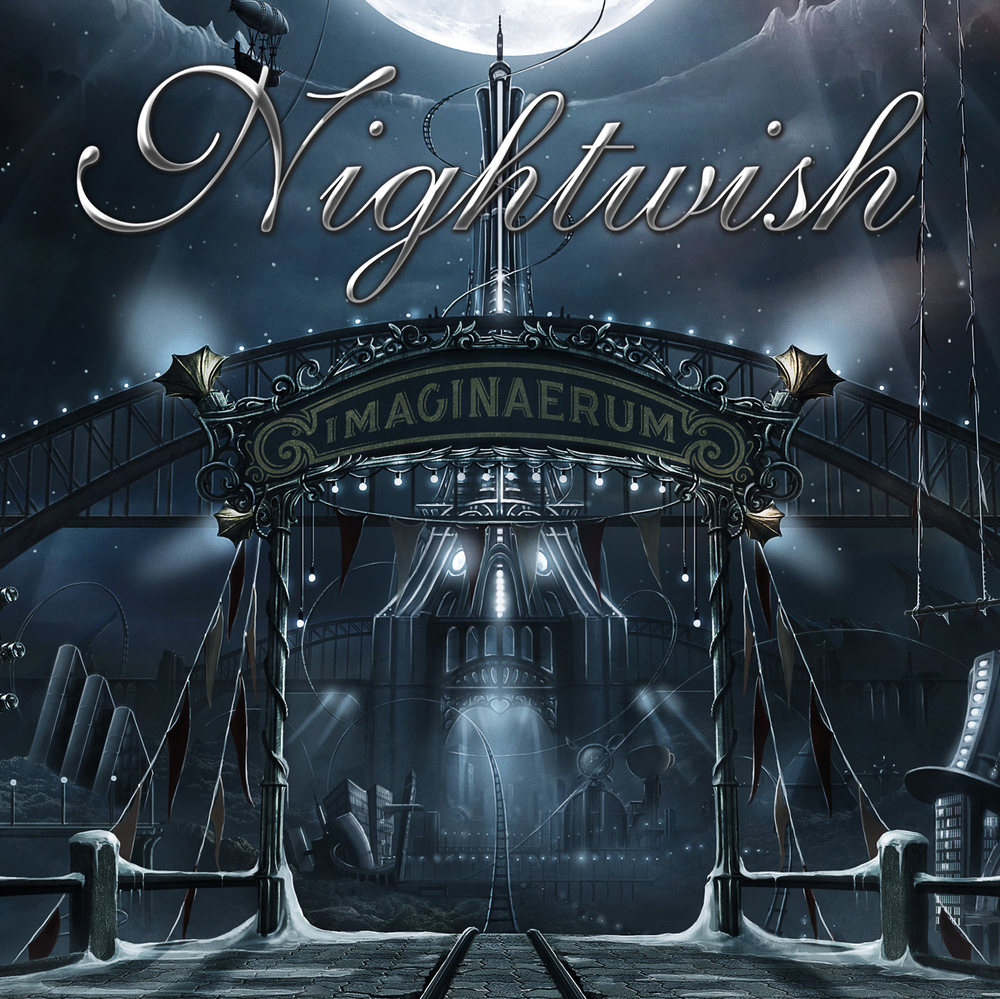

Band Origin: Helsinki, Finland
Genre: Progressive Metal
Release Date: 2001
Album downloads only available to members
Album Info / Review
Intro:
Amorphis, a Finnish entity that has navigated the treacherous currents of melodic death metal and folk-infused doom for decades, returns with “Am Universum.” This album, released in 2001, represents a pivotal moment in their discography, a conscious departure from the raw, almost primal energy of their earlier works towards a more atmospheric, experimental, and frankly, divisive sonic landscape. Gone are many of the guttural roars, replaced by the clean, melancholic croon of Tomi Joutsen (though he wouldn’t officially join until later, this album features a precursor to his vocal style, with guest appearances and a distinct shift from the previous vocalist). “Am Universum” is less a collection of anthems and more a sprawling, introspective journey through cosmic dread and personal introspection, draped in a sonic tapestry that blends their signature melancholic melodies with a nascent flirtation with progressive rock and even hints of psychedelic ambience. It’s an album that demands patience, rewarding listeners who delve beneath its shimmering, often ethereal surface.
Track Analysis:
“Alone” immediately sets the tone with a shimmering, almost crystalline guitar intro, a stark contrast to the band’s past. The clean vocals, layered and yearning, carry a palpable sense of isolation. The rhythm section provides a steady, almost hypnotic pulse, allowing the atmospheric keyboards to weave intricate, melancholic patterns. This isn’t a headbanger; it’s an invitation to contemplation.
“Goddess of the Morning” introduces a more driving rhythm, propelled by a prominent bassline and a more assertive drum beat. However, the melodic sensibility remains paramount. The guitar solos are fluid and emotive, eschewing technical flash for melodic storytelling. The vocal delivery oscillates between a more forceful, yet still clean, delivery and moments of vulnerable fragility.
“The Beginning of Times” is a masterclass in dynamic contrast. It opens with a hushed, almost ambient passage, building tension with subtle electronic textures and sparse guitar chords. The shift to a heavier, yet still melodically driven, section is expertly handled, showcasing the band’s ability to transition seamlessly between ethereal and powerful. The instrumental bridge is particularly noteworthy, featuring intricate guitar interplay and a soaring keyboard melody.
“Am Universum” itself, the title track, is a sprawling, multi-faceted beast. It ventures into more experimental territory, incorporating unconventional song structures and a wider range of sonic textures. The use of what sounds like a theremin or similar electronic effect adds an unsettling, otherworldly dimension. The vocal performance is particularly varied, moving from hushed whispers to more impassioned declarations.
“Day of Grace” is a more straightforward, albeit still atmospheric, track. It possesses a slightly more upbeat tempo, driven by a catchy guitar riff and a strong vocal melody. The chorus is anthemic in its own subdued way, a beacon of light within the album’s generally somber mood.
“Darkness of the Deep” plunges back into a more introspective and somber realm. The guitars are heavier and more distorted here, but the melodic undercurrent remains. The vocal delivery is tinged with a palpable sadness, and the keyboard arrangements add a layer of brooding intensity.
“Destiny of the Wanderer” showcases the band’s knack for crafting epic, yet accessible, melodies. The guitar work is particularly strong, with interwoven melodic lines and a memorable solo. The rhythm section provides a solid foundation, allowing the song to build to a cathartic, yet still restrained, climax.
“Lost Dream” is a more subdued and introspective piece, characterized by its delicate acoustic guitar work and layered vocal harmonies. It feels like a lullaby for the damned, offering a moment of fragile beauty amidst the album’s sonic explorations.
“The Prodigal God” returns to a more robust sound, with heavier guitar passages and a more driving rhythm. However, the band’s commitment to melody prevents it from becoming overly aggressive. The interplay between the guitars and keyboards is a highlight, creating a rich and textured soundscape.
“Transience” closes the album on a reflective and melancholic note. It’s a slow-burning track that gradually builds in intensity, culminating in a powerful, yet still emotionally resonant, vocal performance. The instrumental outro is a lingering, atmospheric fade, leaving the listener with a sense of unresolved contemplation.
Conclusion:
“Am Universum” is a challenging but ultimately rewarding album that solidified Amorphis’s reputation as a band unafraid to evolve. While it alienated some of their more die-hard fans who craved the raw aggression of their earlier material, it also opened doors to a broader audience appreciative of their melodic sophistication and atmospheric depth. It’s an album that eschews immediate gratification for a more enduring, immersive experience. The production is polished, allowing each instrument to breathe and contribute to the overall sonic mosaic. This is not an album for casual listening; it’s a journey to be undertaken, a sonic landscape to be explored.
Rating: 9.0/10
Highlight Track: The Beginning of Times