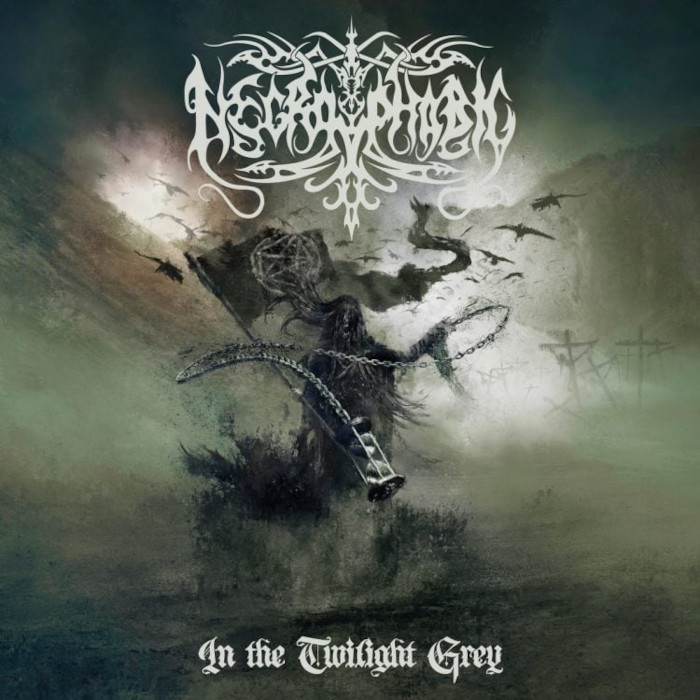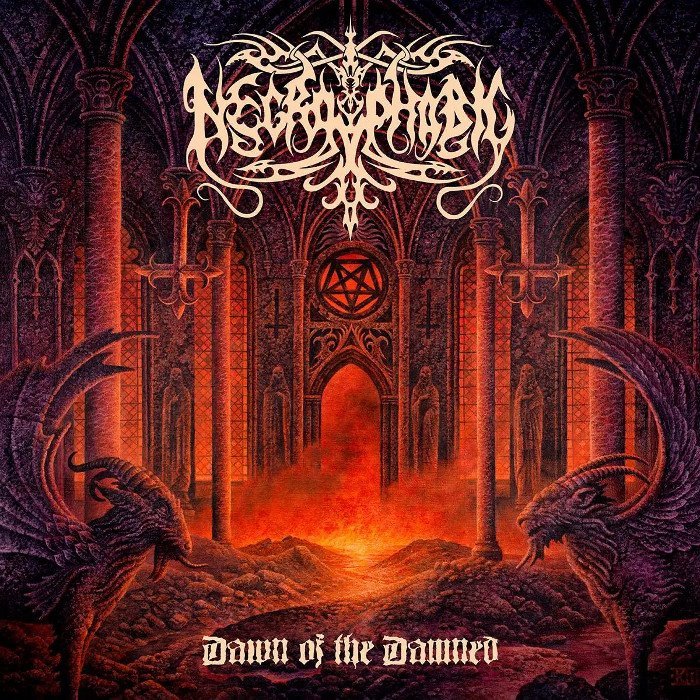
Discography: Darkthrone
Country:  Norway
Genre: Black Metal
Formed: 1987 - Active
Biography
**Biography**
Emerging from the quiet fjords of Øystese in 1987, the duo carved a path through Norway’s then‑underground metal scene. Initially a death‑metal outfit, their early releases were sludgy yet melodic, a stark contrast to the grimy, satanic aesthetic that would later dominate. A year after their first album, a wild shift occurred: the heavy, tuneless riffs were traded for cold, desolate atmospheres, and the harsh growls gave way to deep, grim vocals. By the early 1990s, they had become central figures in Gothenburg’s nascent black‑metal movement, aligning themselves with the emerging “second wave” that redefined the genre’s sonic and ideological parameters.
Their 1992 debut, *A Blaze in the Northern Sky*, marked a turning point. The record’s raw lo‑fi production and dense, claustrophobic soundscapes alienated some purists but earned adoration from a new audience craving authenticity over polish. Trailing albums—*A Storm of Light* (1994) and *Leaves in the Wind* (1995)—each took further steps away from mainstream metal conventions, favoring atmosphere over technical proficiency. The mid‑90s saw the band abandon polish completely, self‑producing with intentionally unrefined tapes, a move that solidified their underground legacy. The later “Crusader” era (1999–2008) saw a return to classic black‑metal structures, providing a bridge between their early rawness and later experimentation.
Even two decades later, their sporadic releases keep a cult following alive; the most recent outing, *Solen Spświata* (2013), rekindles the bleak, icy terrains that first drew listeners.
**Members**
- **Fenriz (Jan Yngve Hansen)** – drums, backing and occasional screaming vocals
- **Nocturno Culto (Alan Hugersson)** – lead and rhythm guitar, lead vocals
- **Pål Wiklund** – bass (1998–2000)
- **Østen Berg Østerud** – occasional session guitarist for live tours (2015–present)
**Musical Style**
The band’s sound is a stark, atmospheric collage. Early texture is dominated by fast, tremolo‑picked riffs and blast‑beat drums, whereas later work prefers slow, droning motifs that immerse the listener in a bleak sonic landscape. The production, often intentionally raw, lends immediacy: unpolished guitars, double‑tracked drums, and a low‑cut vocal scream cut to almost a whisper. In contrast to the hurried, flourish‑laden metal of mainstream studios, the group emphasizes minimalism—long, drawn‑out passages with a sense of space and decay. They're famous for fusing bleak vocal lines with indifferent melodies, crafting an emotional void that feels almost sacred. Early “black‑metal poetry” lyrics, steeped in Satanic and anti‑conservative themes, gradually transition to abstract, philosophical inquiries about death, nature and their personal ideologies. Their influence can be heard in many contemporary bands that favor low‑end aggression and hypnotic repetition over virtuosity. Despite their lapses into noise and introspection, the group’s lineage remains firmly rooted in the Azteca‑inspired atmosphere that defined the second wave, with the addition of a signature Norwegian bleakness.