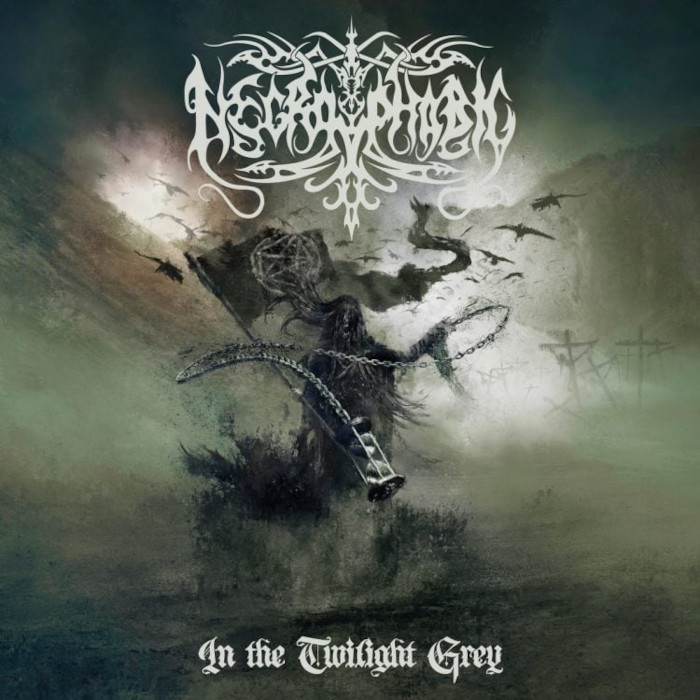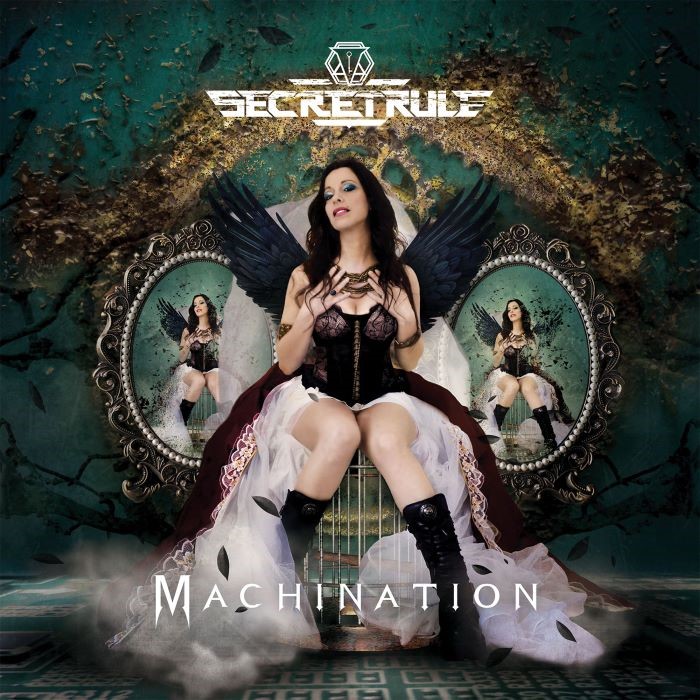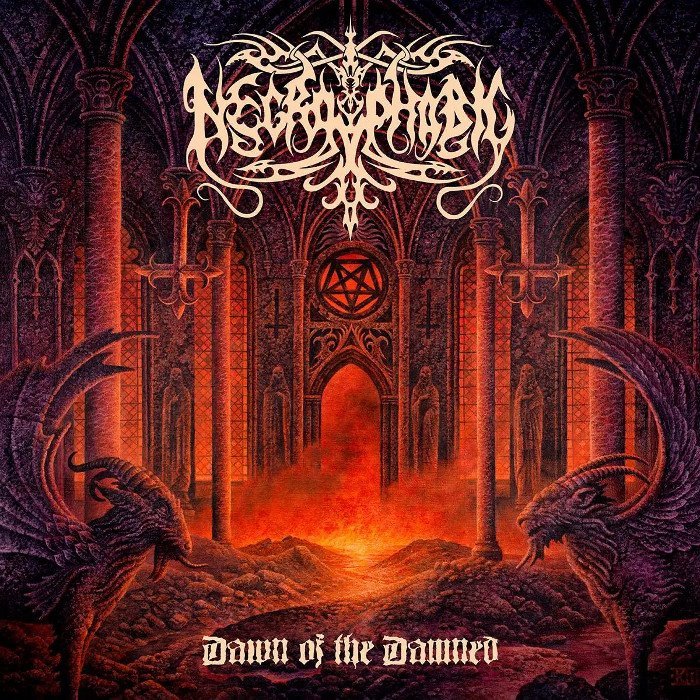
Discography: Hermh

Country:  Poland
Genre: Symphonic Black Metal
Formed: 1993 - (Split Up)
Biography
**Biography**
Hermh burst onto the Polish underground with raw fire in 1993, a period when the nation was still flexing its post‑communist cultural iron. The trio—born from a shared love of Scandinavian doom and the atmospheric breadth of early symphonic sounds—steamed out of Warsaw's dim‑lit rehearsal hall, soaked in a philosophical current of mysticism and nihilism that would later color their riffs. Their debut demo, *Eternal Silence*, stuck out against the stiff, low‑tech mix of the local scene, offering sweeping keyboards, razor‑sharp shrieks, and a menacing, relentless pace.
For the next decade, Hermh carved a niche among the emergent European symphonic black metal movement, touring with pioneers like Behemoth and Deathspell Omega. The 2000s brought a polished, cinematic evolution that mirrored the broader polish black war of the time; their third release, *Shrouded Dominion* (2003), showcased layered choirs and orchestral downtunings that seemed to echo the haunting silhouettes of Warsaw's ruins. Critics lauded their bold fusion of classical motifs with searing blast beats, and the album’s lead track, “Midnight Citadel,” became a staple on underground radio.
Despite a steady lineup and touring achievements, financial pressures and the disintegration of many local labels eroded momentum. After a final farewell concert in 2011, the members pursued disparate projects, leaving Hermh's catalog a well‑guarded relic for collectors and fans of the genre’s loftier aspirations.
**Members**
- **Ludomir “Silencer” Kowalski** – vocals, guitars
- **Ewa “Crystal Key” Nowak** – keyboards, theremin, backing screams
- **Mateusz “Dead Cello” Wójcik** – bass, occasional synthesizer loops
The trio’s chemistry spanned more than just instrumentation; it was a shared vision of the night’s grim beauty mirrored in their symphonic ambitions.
**Musical Style**
Hermh lives at the intersection of brutality and grandeur. Their early heaviness was tempered by lush, symphonic layers that drew on classical compositions, especially Baroque and Romantic motifs. The resulting soundscape is simultaneously claustrophobic and expansive—contrasting snare‑driven blast beats with chiming choirs that swell into cinematic crescendos. The keyboard work, particularly from Ewa, leans heavily on tremolo pedal phasing and dissonant chord clusters, giving the music anotherworldly depth.
Lyrically, the band delved into themes of existential dread, mythic folklore, and the lingering scars of war, all wrapped in a poetic, often cryptic narrative. Musically, they borrowed from the full armature of symphonic black: even the bass lines adopt an orchestral approach, haunting and driving in equal measure. The albums function as grand operas, each track a movement within a larger, terrifying symphony. This blend of ferocity and melodic sophistication earned them a dedicated cult following among listeners who appreciate the fusion of gothically dark atmospheres with the uncompromising edges of black metal.