
Origin : Finland
Genre : Symphonic Metal
Release : 1998
Album Info / Review
Intro:
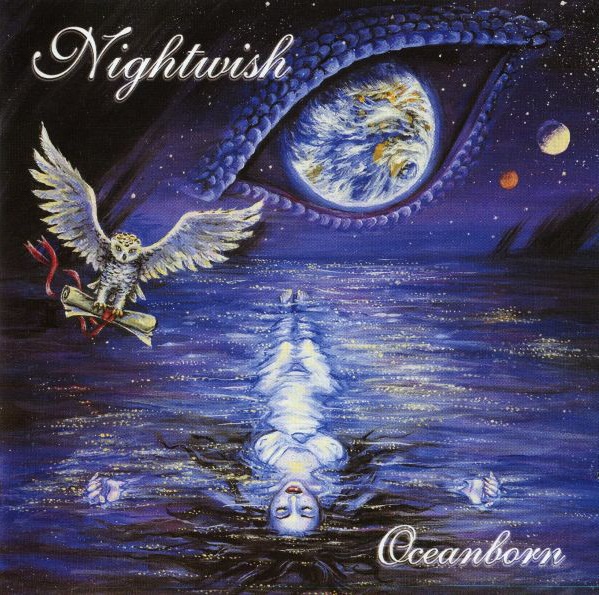
The year is 1998. Amidst a burgeoning Finnish symphonic metal scene, a band emerges from the frost-bitten landscapes, wielding a sound that would redefine the genre. Nightwish, with their sophomore opus “Oceanborn,” didn’t just refine their debut; they unleashed a tempest of operatic grandeur, relentless power, and a lyrical tapestry woven with myth and melancholy. This album is not merely a collection of songs; it is an oceanic odyssey, a plunge into depths of both sonic and emotional intensity that few bands dared to explore. “Oceanborn” is the sound of a band finding its definitive voice, a voice that would echo through the annals of metal history.
Track Analysis:
“Oceanborn” opens with the titular “Oceanborn,” a chilling, almost ambient prelude that builds with a subtle synth melody and Tarja Turunen’s ethereal vocals, hinting at the watery themes to come. This segues directly into the thunderous “Stargazers,” a blistering testament to Nightwish’s newfound aggression. Jukka Nevalainen’s drumming is a relentless force, providing a galloping backbone to Emppu Vuorinen’s intricate, soaring guitar riffs. Turunen’s vocals here are a revelation, transitioning from delicate whispers to a full-throated, operatic roar, demonstrating a vocal range and power that would become her hallmark.
“Gethsemane” offers a moment of introspection, a ballad that begins with a mournful acoustic guitar and Turunen’s sorrowful delivery. The song gradually swells, introducing subtle orchestral arrangements that underscore the poignant lyrics of longing and regret. The dynamic shift between vulnerability and burgeoning strength is masterfully executed.
“Devil & The Deep Dark Ocean” is a theatrical masterpiece. It’s a narrative piece, employing spoken word passages and a more folk-influenced melody that contrasts sharply with the preceding aggression. Tuomas Holopainen’s keyboard work takes center stage, creating an atmosphere of ancient mystery. The dual vocal performance, with Marco Hietala’s guttural growls interjecting, adds a primal, dark counterpoint to Turunen’s clear soprano.
“Sacrament of Wilderness” is arguably the album’s most iconic track. It’s a perfect storm of symphonic bombast and driving metal. The chorus is an anthemic explosion, instantly memorable and designed for stadium singalongs. The interplay between the orchestra and the band is seamless, each element enhancing the other. The guitar solo by Vuorinen is a melodic marvel, soaring with precision and emotion.
“Swanheart” returns to a more ballad-like structure, but with an underlying current of grandeur. It’s a beautiful, melancholic piece that showcases Turunen’s ability to convey profound emotion with subtle nuance. The choir adds a celestial dimension, elevating the track to a spiritual experience.
“Walking in the Air,” a cover of Howard Blake’s song, is transformed into a symphonic metal epic. Nightwish imbues it with their signature sound, adding heavy guitars and a dramatic orchestral arrangement. Turunen’s performance is breathtaking, imbuing the familiar melody with a sense of awe and wonder.
“Fifth Muse” is a more aggressive track, featuring a driving rhythm and sharp, angular guitar riffs. The orchestral elements are present but more integrated into the main instrumentation, creating a sense of urgency and power.
“Dark Chest of Wonders” is a sprawling, multi-faceted composition. It shifts through various moods and tempos, from aggressive onslaughts to moments of delicate beauty. The lyrical themes of dreams and hidden desires are explored with a vivid, almost hallucinatory intensity. The instrumental passages are complex and engaging, showcasing the band’s growing compositional prowess.
“Witch Hunt” is a return to a more direct, aggressive sound. It’s a powerful, almost tribalistic track with a driving beat and menacing guitar work. The orchestral flourishes are more percussive and sharp, adding to the track’s dark, foreboding atmosphere.
The album concludes with “Sleeping Sun,” a powerful ballad that serves as a fitting, albeit slightly more conventional, closing. It’s a soaring, emotionally resonant track with a memorable melody and a strong vocal performance from Turunen. It offers a sense of resolution after the album’s intense journey.
Conclusion:
“Oceanborn” is a monumental achievement, a watershed moment for Nightwish and symphonic metal as a whole. It’s an album that possesses an almost alchemical ability to blend the delicate and the devastating, the ethereal and the earth-shattering. From the operatic heights of Tarja Turunen’s vocals to the intricate symphonic arrangements and the relentless power of the metal instrumentation, every element is meticulously crafted. This is not an album to be passively consumed; it is an experience that washes over the listener, demanding attention and rewarding it with unparalleled depth and passion. “Oceanborn” solidified Nightwish’s position as pioneers, crafting a sonic landscape that remains both timeless and profoundly influential.
Rating: 9.8/10
Highlight Track: Sacrament of Wilderness