
Origin : Finland
Genre : Symphonic Metal
Release : 2011 (4CD Edition)
Album Info / Review
Intro:
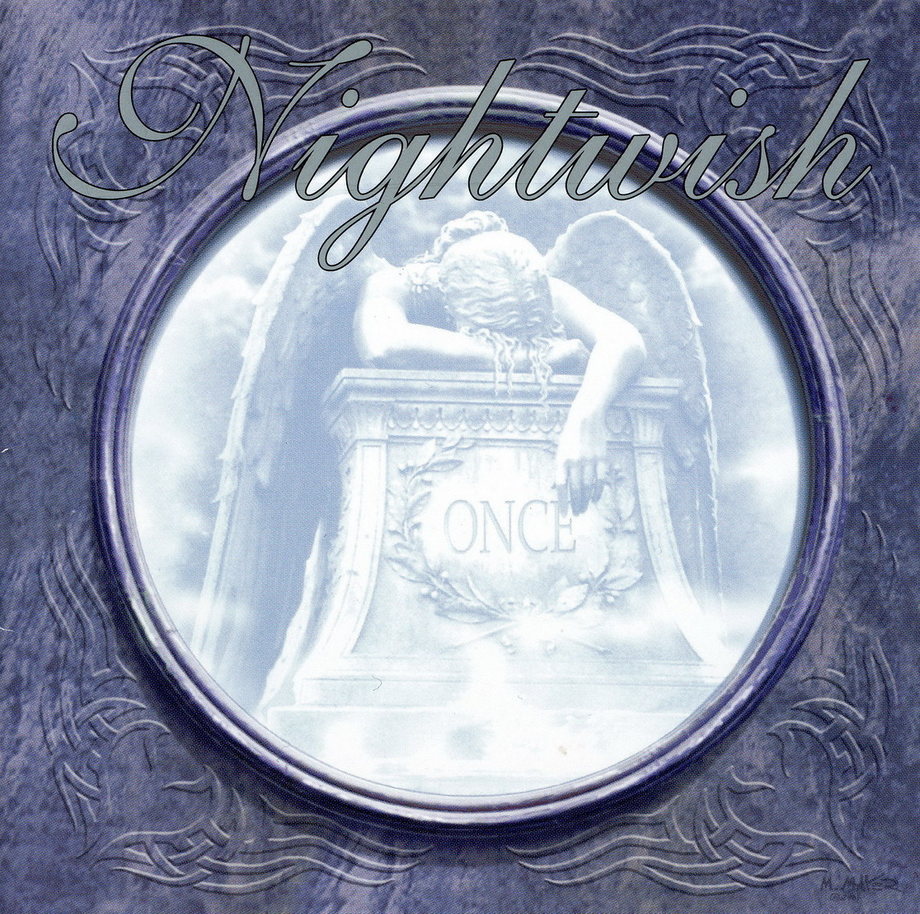
Nightwish, a band whose symphonic metal grandeur has consistently pushed sonic boundaries, presents *Imaginaerum*, a sprawling concept album that plunges into the dreamscape of an aging artist. Released in 2011, this work serves as a theatrical overture to their subsequent visual masterpiece, the film of the same name. *Imaginaerum* is not merely an album; it’s an immersive experience, a meticulously crafted sonic tapestry woven with diverse instrumentation, operatic vocals, and a narrative that blurs the lines between reality and fantasy. It’s a departure, a bold leap into more experimental and overtly theatrical territories, showcasing Nightwish’s unwavering commitment to artistic evolution.
Track Analysis:
“Tammikuu” opens with a chilling, atmospheric synth intro, like frost creeping across a windowpane, before a solitary piano melody emerges, tinged with melancholy. It sets a somber, introspective tone, hinting at the album’s thematic core of mortality and memory.
“Storytime” explodes with a bombastic, medieval-tinged fanfare, immediately establishing the album’s fantastical leanings. Marko Hietala’s gruff vocals provide a powerful counterpoint to Anette Olzon’s soaring soprano, creating a dynamic interplay that defines much of the album. The choir adds a layer of epic grandeur, and the driving rhythm section propels the track forward with relentless energy.
“Ghost River” showcases a more intricate, progressive side. The ethereal keyboard textures blend with acoustic guitar passages, building to a powerful, anthemic chorus. The orchestral arrangements are lush and cinematic, evoking vast, desolate landscapes. The lyrical narrative, focusing on the journey of the soul, is particularly poignant here.
“Slow, Love, Slow” is a stark departure, a jazz-infused ballad with a smoky, cabaret-like atmosphere. Olzon’s vocals are delivered with a hushed intimacy, showcasing her versatility beyond operatic heights. The stand-up bass and subtle percussion create a unique, almost noirish feel, a surprising yet effective addition to Nightwish’s sonic palette.
“I Want My Tears Back” is a more traditional power ballad, featuring a prominent guitar solo from Emppu Vuorinen that is both melodic and technically proficient. The chorus is undeniably catchy, and the song’s emotional weight is amplified by the layered vocal harmonies.
“Scaretale” plunges into a darker, more gothic realm. The distorted guitars and driving drums create a sense of unease, while the recurring carnival-esque melody adds a disturbing, childlike innocence. The spoken-word interludes further enhance the unsettling atmosphere.
“Last Ride of the Day” is a galloping anthem, driven by a powerful, galloping rhythm and soaring orchestral arrangements. Hietala’s vocals are at their most commanding, delivering a message of defiance and embracing one’s destiny. The track feels like a final charge into the unknown.
“For the Heart Scorned” is a melancholic acoustic interlude, featuring a single, haunting cello melody. It offers a brief moment of respite and emotional reflection before the album’s grand finale.
“Turn Loose the Mermaids” is a breathtakingly beautiful ballad. Olzon’s vocals are delivered with exquisite fragility, supported by a delicate piano and sweeping strings. The song’s ethereal quality evokes images of mythical creatures and the vastness of the ocean, a moment of pure, unadulterated beauty.
“Creators Passionately” is a sweeping, cinematic piece. The orchestral arrangements are at their most elaborate, creating a sense of epic scale and wonder. The interplay between the operatic vocals and the instrumental passages is masterful, building to a powerful crescendo.
“The Crow, the Owl and the Dove” is a folk-tinged ballad with a strong emphasis on acoustic instrumentation and Olzon’s clear, emotive vocals. The song’s narrative evokes a sense of ancient wisdom and the cyclical nature of life.
“And Then I Write” is a more reflective and introspective track. The piano returns, accompanied by subtle orchestral swells and Olzon’s nuanced vocal performance. It feels like a summation of the album’s themes, a final contemplation on the artist’s legacy.
“Imaginaerum” is the epic closer, a sprawling, multi-part suite that encapsulates the album’s entire thematic and sonic journey. It features a vast array of instrumentation, from tribal percussion to soaring choirs, and shifts through numerous moods and tempos. It’s a grand, ambitious conclusion that leaves the listener breathless.
Conclusion:
*Imaginaerum* stands as a pivotal work in Nightwish’s discography. It’s an album that demands multiple listens, revealing new layers of complexity and emotional depth with each subsequent immersion. While some may find its theatricality and genre-bending excursions to be a departure from their earlier, more straightforward symphonic metal sound, *Imaginaerum* represents a fearless embrace of artistic exploration. It’s a testament to Nightwish’s ability to craft not just songs, but entire sonic worlds, and it solidifies their position as pioneers in the symphonic metal landscape.
Rating: 9.5/10
Highlight Track: Turn Loose the Mermaids