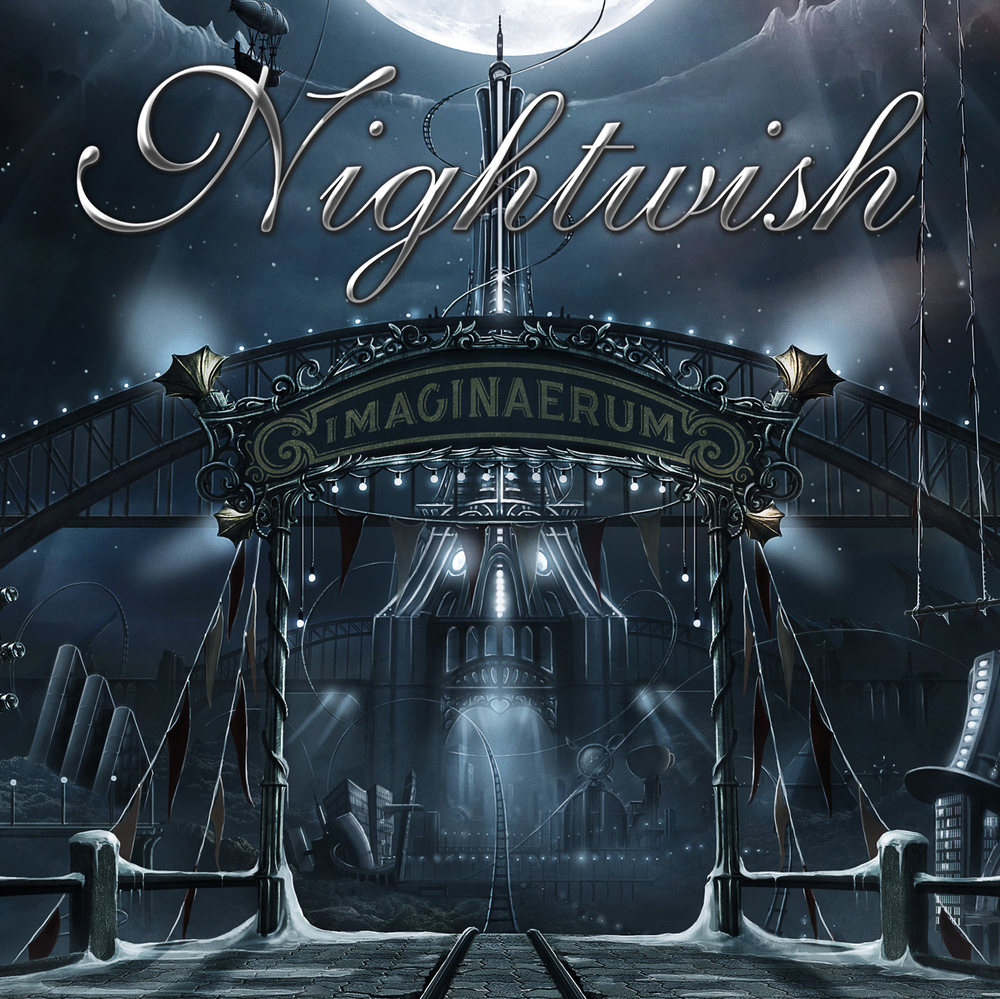

Origin : Netherland
Genre : Symphonic Metal
Release : 2014
Album downloads only available to members
Album Info / Review
Intro:
The Dutch symphonic metal titans Epica return with “The Quantum Enigma,” an album that delves into the philosophical and scientific underpinnings of existence, weaving intricate narratives with their signature blend of orchestral grandeur, guttural aggression, and Simone Simons’ ethereal soprano. This is not merely an album; it’s an intellectual and sonic journey, a meticulously crafted exploration of the universe’s vastness and humanity’s place within it. From the opening salvo, it’s clear Epica has refined their already potent formula, pushing the boundaries of their established sound with a renewed ferocity and a more pronounced embrace of progressive elements.
Track Analysis:
“Origin of Species” explodes forth with a seismic riff, immediately establishing a heavier, more driving force than some of their previous work. The interplay between Mark Jansen’s harsh vocals and Simons’ soaring melodies is razor-sharp, punctuated by a dynamic orchestral arrangement that feels both majestic and menacing. The track builds to a powerful climax, showcasing the band’s increased instrumental prowess. “The Quantum Enigma” itself is a sprawling epic, a multi-layered composition that shifts and evolves, mirroring the complexities of quantum mechanics. It features a breathtaking vocal performance from Simons, exploring themes of superposition and entanglement with lyrical precision. The instrumental passages are particularly noteworthy, with intricate guitar solos and a robust rhythm section that anchors the orchestral flourishes.
“The Obsessive Devotion” is a darker, more introspective piece, driven by a melancholic piano melody that slowly gives way to a crushing, mid-tempo riff. Jansen’s growls here are particularly venomous, conveying a sense of desperate longing and spiritual torment. The chorus, however, offers a glimmer of hope, with Simons’ vocals ascending to a triumphant, albeit tinged with sorrow, declaration. “Anima” is a more accessible, anthemic track, boasting a driving beat and a singalong chorus that would ignite any live arena. Yet, beneath its immediate catchiness lie sophisticated lyrical themes of the soul’s journey and its connection to the cosmos. The integration of traditional choirs alongside the band’s core instrumentation is seamless and impactful.
“In All Conscience” introduces a more aggressive, almost industrial edge, with a relentless drum pattern and a driving bassline. The vocal exchange between Jansen and Simons is a masterclass in contrast, their voices weaving in and out of each other like opposing forces. The orchestral arrangements here are more dissonant, reflecting the internal conflict explored in the lyrics. “The Essence of Silence” offers a moment of respite, beginning with a delicate acoustic guitar and Simons’ hushed vocals, before building into a powerful, emotionally charged ballad. The track’s crescendo is a cathartic release, a testament to the band’s ability to convey profound emotion through their music.
“Victims of the Modern Age” returns to a more aggressive stance, featuring blistering guitar work and a relentless pace. The lyrical content tackles societal decay and the erosion of individuality with biting commentary. The instrumental breaks are technically demanding, showcasing the band’s individual virtuosity. “Cry for the Moon” (a re-recorded version from their debut) is a welcome inclusion, demonstrating how far the band has come, with a richer, more layered production and an even more potent vocal delivery from Simons. It feels like a triumphant revisiting of their roots. “Canvas of Life” is a poignant exploration of mortality and legacy, featuring a deeply emotional vocal performance from Simons and a soaring, cinematic orchestral backing. The track concludes with a sense of quiet contemplation, leaving the listener with a lingering sense of awe. “The Funerality of Thought” is the album’s final grand statement, a complex, progressive piece that ties together many of the album’s thematic threads. It’s a fittingly ambitious and intellectually stimulating conclusion, leaving the listener with much to ponder.
Conclusion:
“The Quantum Enigma” is a monumental achievement for Epica. It’s an album that refuses to rest on its laurels, instead opting for bold experimentation within its established sonic framework. The lyrical depth, combined with the band’s heightened musicality and a more aggressive edge, creates a listening experience that is both intellectually stimulating and viscerally powerful. Epica has not only delivered another exceptional symphonic metal album but has also solidified their position as leaders in the genre, pushing boundaries and engaging their audience on multiple levels. This is an album that demands repeated listens, revealing new layers of complexity and emotional resonance with each immersion.
Rating: 9.5/10
Highlight Track: “Anima”